The Hollywood-Digital Convergence
Broadcast directors approached interactive layouts by treating the browser window as a camera viewfinder. They established fixed aspect ratios and directed user attention through focal depth rather than traditional web hierarchy.
Los Angeles sat at the center of this shift. Cinematic storytelling met emerging digital tools in the same city blocks.
Mapping user journeys using traditional 3-act film beat sheets rather than standard wireframes became common practice. Teams reduced broadcast color palettes to 216 web-safe hex codes while maintaining cinematic contrast. The result was the cinematic web, a direct product of geography and production culture.
Migrating Motion Graphics to the Browser
Motion designers carried film timing into the browser. They exported vector animations at 24 frames per second rather than the default 12 fps to match film standards. This single change raised base file sizes by roughly a factor of 1.4 to eliminate stuttering on high-end CRT monitors.
Traditional animation principles transferred directly. Timing, easing, and anticipation shaped navigation and UI states. VFX artists and commercial directors arrived at digital agencies and lifted visual standards across projects.
Studio Culture: Blending Sets and Server Racks
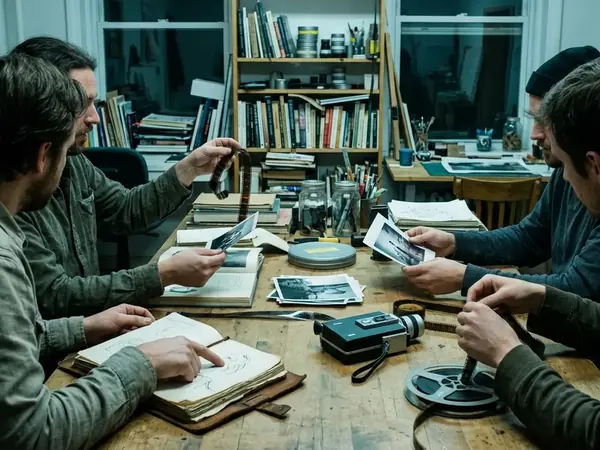
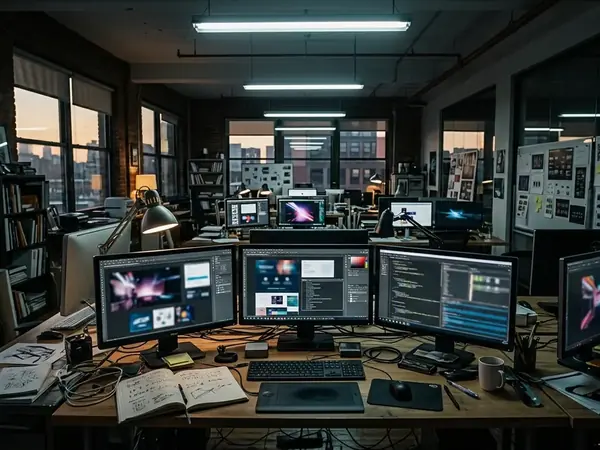
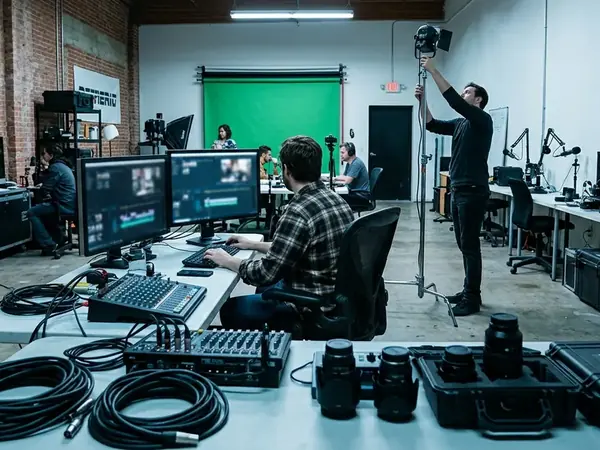
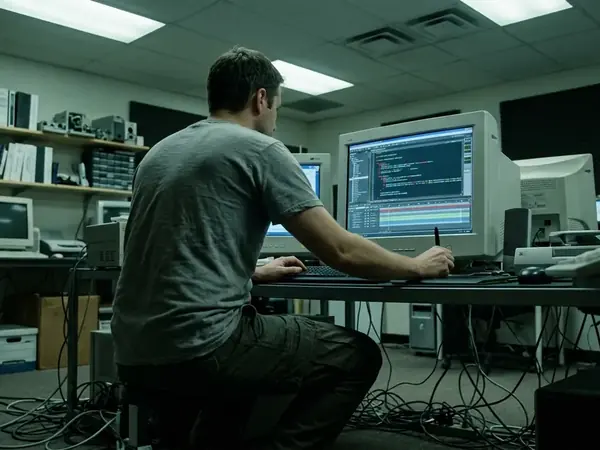
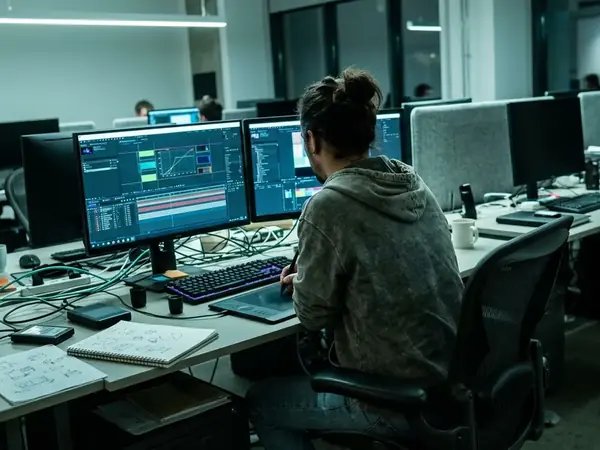
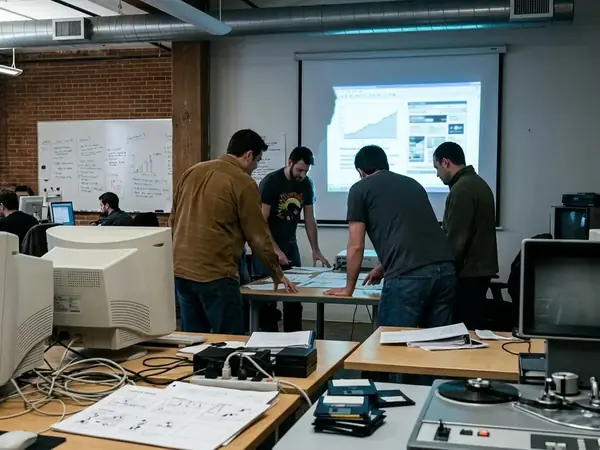
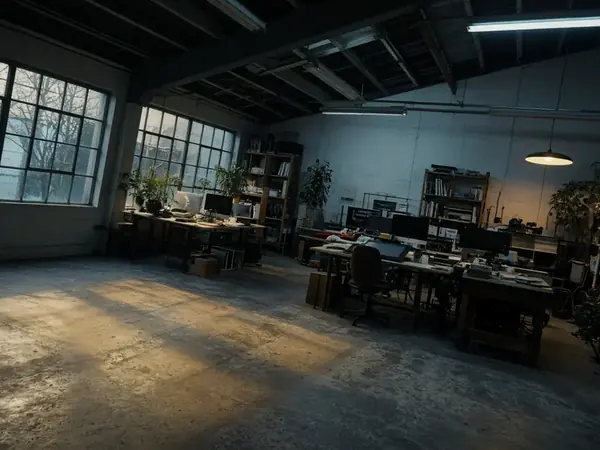
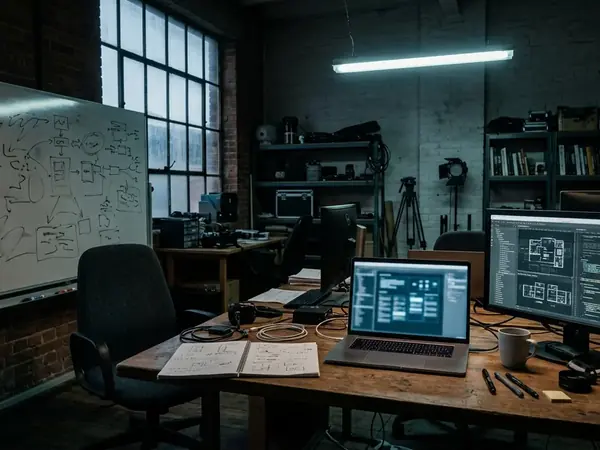
Physical studio layouts at places like Exopolis were reconfigured into cross-disciplinary pods. One interactive developer, one storyboard artist, and one sound designer sat together. Real-time asset handoffs replaced sequential handoffs.
Production cycles stretched from a standard 6-week web build to a 12-to-14 week hybrid schedule. The first 3 weeks went entirely to animatics and audio synchronization before any code was written. Storyboarding interactive sites followed the same beats used for television commercials.
Bandwidth and the Friction of Narrative UX
Developers broke monolithic files into modular assets to stay under bandwidth limits. Background audio loaded first to mask visual loading time. Initial payloads targeted around 300 to 450 kilobytes for the preloader. Users on 56k modems heard audio within roughly 3 seconds and saw the first frame within 8 to 12 seconds, in practical scenarios.
Linear cinematic pacing clashed with user expectations. Pre-loaders and unskippable sequences created friction. Modular loading solved the payload problem but broke native browser back-button functionality, trapping users in a single URL state unless custom deep-linking scripts were added.
The Lasting Impact on Modern Digital Design
The LA commercial crossover set the baseline for experiential web design. Modern teams still map WebGL camera movements in 3D software before translating coordinates into JavaScript arrays. Cubic-bezier easing curves such as 0.25, 0.1, 0.25, 1.0 moved from compositing software into later CSS frameworks.
Cross-disciplinary production remains the practical route to emotionally resonant interfaces. The same storyboard-first discipline that once guided Flash timelines now guides contemporary motion on the open web.