The Trap of the Zombie Agency
Documenting a defunct studio requires an academic, not commercial, framework. Standard portfolio systems push hero images and conversion paths that distort historical records. The initial cataloging phase required shifting away from those systems toward a flat-file repository designed for reference rather than leads.
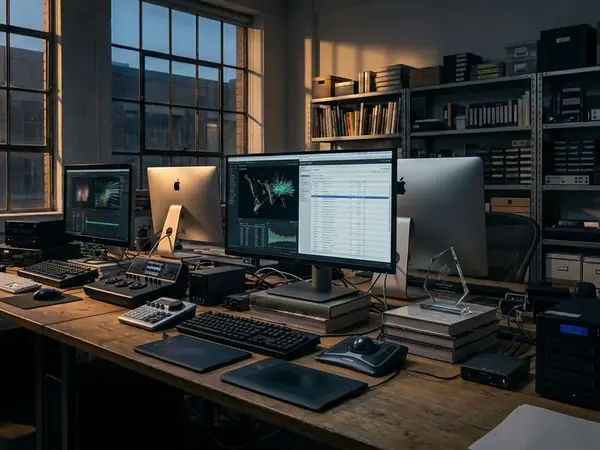
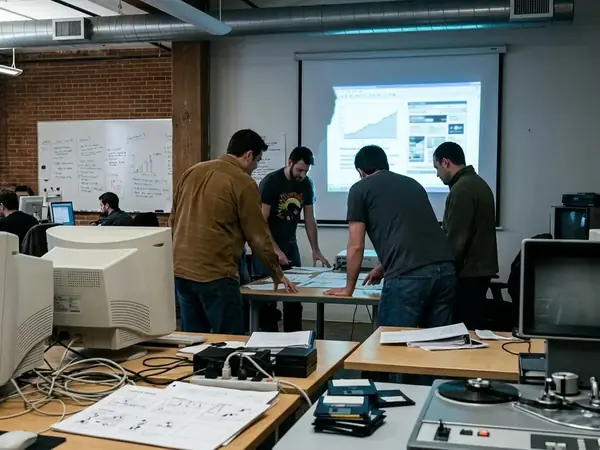
Auditing the legacy RAID arrays required a 14 to 18 month period of manual file extraction. Cataloging over 2,000 raw project directories from the 2004-2009 era revealed how many surviving sites still present themselves as active agencies. These zombie archives keep old case studies live while hiding the fact that the teams no longer exist.
Exopolis-era work deserves study on its own terms. The period produced distinctive approaches to motion-led campaigns and interactive microsites that later studios copied without crediting the source methods.
Curation Over Commerce: Redefining the Artifact
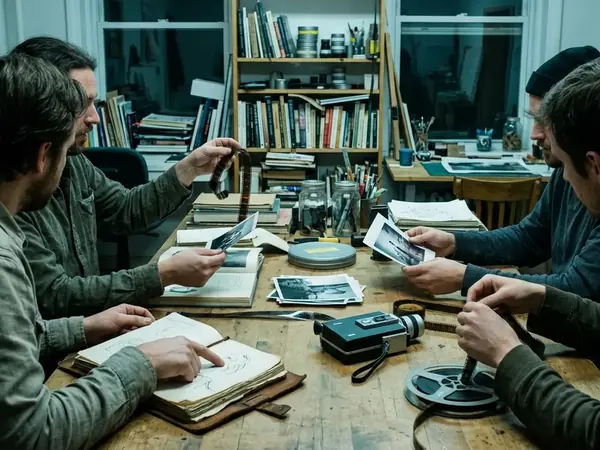
A true archive prioritizes process, discarded concepts, and studio culture over polished case studies. We initially attempted to reconstruct the original client pitch decks to provide context, but dropped the approach when it became clear the marketing copy was overshadowing the raw ActionScript and motion tests. Extracting around 400 uncompressed QuickTime motion tests and isolating individual layer structures from legacy.fla files produced clearer records of how decisions were made.
Portfolio goals center on conversion. Archive goals center on education and preservation. The difference shows up immediately in what gets kept and what gets cut. Exposing raw motion tests, wireframes, and interactive prototypes makes the actual production decisions visible instead of burying them under final deliverables.
The Counter-Argument: The Necessity of 'Wins'
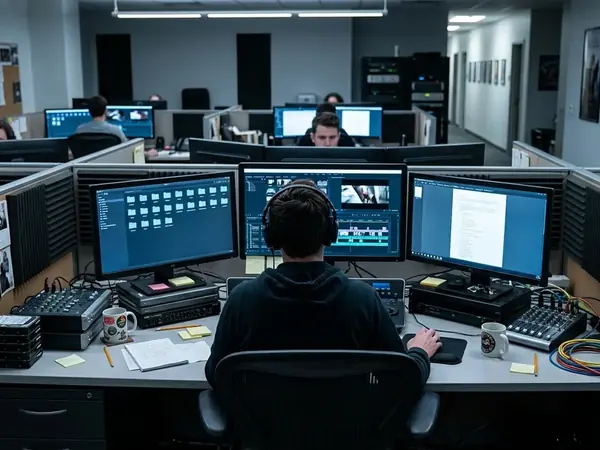
Client names, awards, and commercial success supply necessary historical context. To prevent the archive from reading like an active agency site, the curation team systematically stripped out ROI metrics and conversion statistics from the original case studies, replacing them with technical documentation. Standardizing project entries with 8 to 12 technical fields documented specific software versions, render times, and team sizes rather than commercial performance.
Centering the narrative on wins obscures methodological innovations. Treating commercial success as metadata keeps the focus on how the work was built instead of how much revenue it generated.
Methodology and the Limits of Digital Preservation
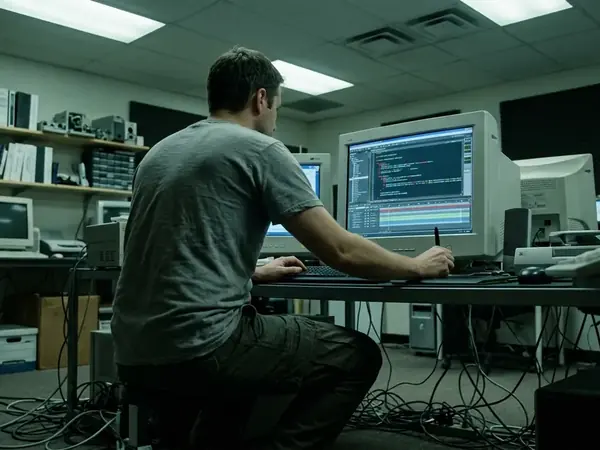
Practical steps for a living reference site begin with legacy hardware environments. The preservation strategy for interactive media required setting up those environments to capture native playback fidelity rather than relying solely on modern browser-based emulation. Capturing interactive walkthroughs at 1080p and 60fps using legacy operating systems took 3 to 4 hours per microsite for thorough video documentation.
Technical decay of Flash-era projects sets hard limits. Attempting to run complex ActionScript 3.0 particle systems through modern browser emulators resulting in severe frame-rate degradation. The preservation method shifts from interactive emulation to high-fidelity video capture depending on the presence of deprecated server-side dependencies. One catch: relying on WebAssembly-based emulators fails entirely for projects that utilized server-side XML socket connections or proprietary third-party physics engines.
Honest post-mortems and technical transparency replace marketing copy at every stage.
Preserving the Era for Future Practitioners
The true value of a studio's legacy is educational. Establishing the final curatorial standard involved mandating that any new additions to the repository must include source files, raw wireframes, or post-mortem documentation alongside the finished visuals. Establishing a 6 to 9 month window for processing the remaining interactive campaign microsites allowed the team to structure the final repository to support academic citation standards.
Web historians and creative directors should adopt the same curatorial standards. digital preservation frameworks already exist for this kind of material. When the Exopolis era is viewed through an academic lens, its influence on later interactive work becomes measurable rather than anecdotal.